If you’ve ever wondered how solar panels turn daylight into usable electricity, you’re not alone. The process behind solar photovoltaic (PV) technology is surprisingly simple once you understand the basics. Let’s walk through how it all happens and why it’s one of the most reliable renewable energy sources available today.
The Science Behind Solar PV
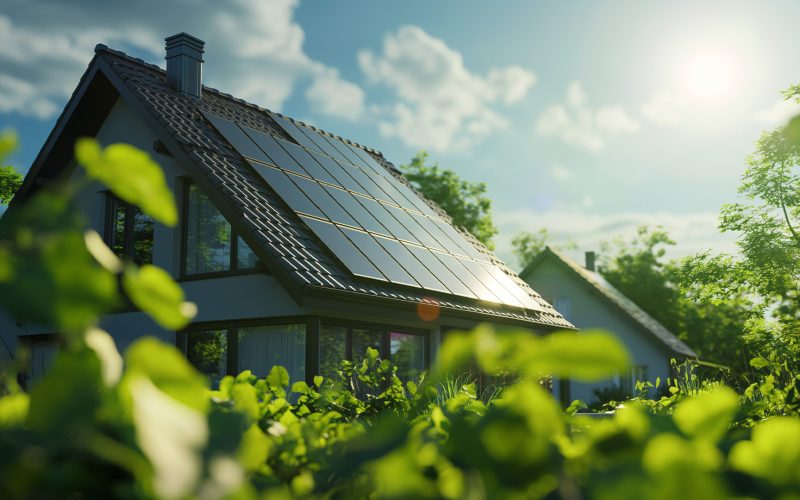
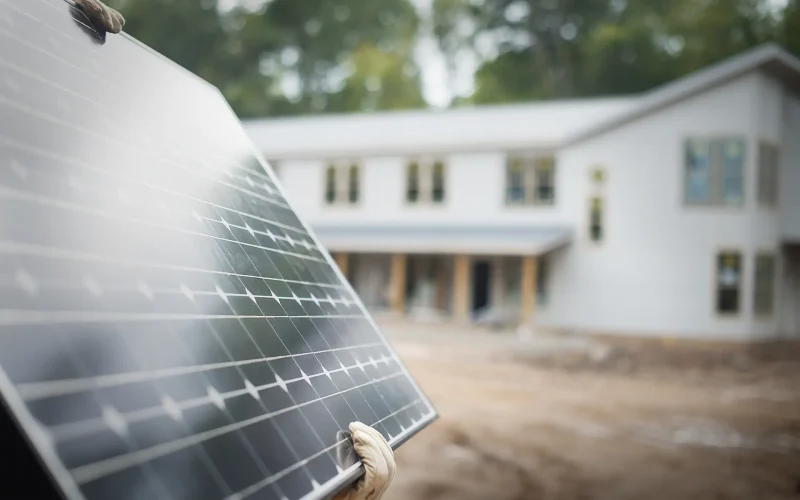
A solar PV panel is made up of multiple silicon cells, each working together to convert sunlight into electricity. These cells are wired in series, meaning they combine their output to produce more power.
When photons from sunlight strike the surface of a silicon cell, they knock electrons loose. This reaction creates an electric current—known as the photovoltaic effect. It’s the foundation of all solar power systems.
The most efficient solar panels today can convert over 20% of the sunlight they receive into electricity, and advancements in technology are continuing to push that number higher.
From DC to AC: Making the Power Usable
The energy created by your solar panels is direct current (DC) electricity. However, the electricity used in your home is alternating current (AC). This is where the inverter comes in.
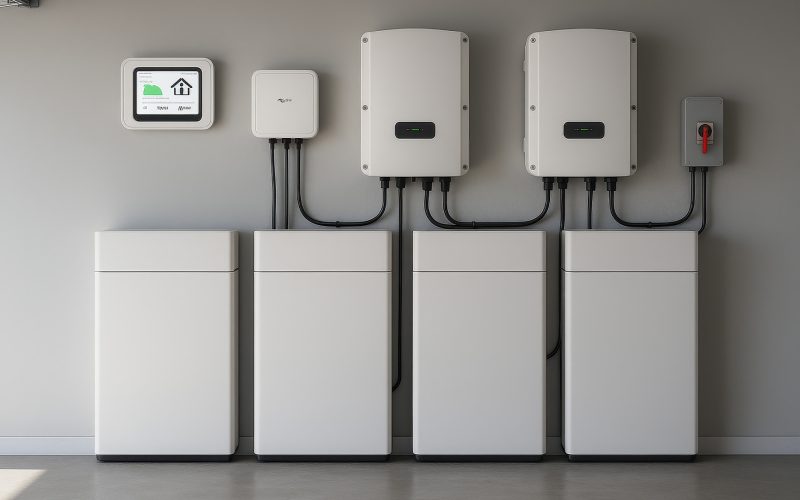
The inverter’s job is to convert DC into AC so that your lights, appliances, and devices can use it safely. It also plays another key role—it constantly monitors both the power coming from your panels and the energy from the national grid. This ensures a steady, balanced flow of electricity that matches your household’s needs.
Using and Storing Solar Energy
Once your inverter has done its job, the electricity your panels generate is automatically used to power your property. Any energy you don’t use right away doesn’t go to waste. It can either be:
- Sold back to the grid, giving you credit on your energy bill, or
- Stored in a solar battery, ready for when your panels aren’t producing as much—like during the night or on cloudy days.
A solar PV battery system adds flexibility and control to your setup. It lets you make the most of your free, self-generated energy and rely less on your supplier. During high-use periods, or if your panels aren’t producing enough power, your system automatically draws from the battery or the grid to keep things running smoothly.
Works All Year Round
One of the biggest misconceptions about solar panels is that they need hot weather to work. In fact, solar PV operates on light intensity, not heat. Even on cold, cloudy days, as long as there’s daylight, your panels will generate electricity.
This makes solar PV a reliable, year-round solution for reducing your bills and cutting your carbon footprint. With minimal maintenance and long lifespans, solar panels continue to perform for decades—quietly producing clean, renewable power day after day.
The Bottom Line
So, how does solar PV work? By capturing sunlight, converting it into usable energy, and giving you control over how that energy is stored and used. It’s a smart, sustainable way to power your home and protect yourself against rising energy costs.
If you’re thinking about installing solar panels, Egensys can help you design a system that fits your property, your usage, and your goals. Get in touch today for a free, no-obligation quote and start your journey toward cleaner, more affordable energy.